Polish Food Labels,
Finally Explained
Nutri-Score. E-numbers. "Naturalny." Unit prices. We break down what Polish food packaging actually tells you — and what it deliberately leaves out.
The label is there. Reading it is the hard part.
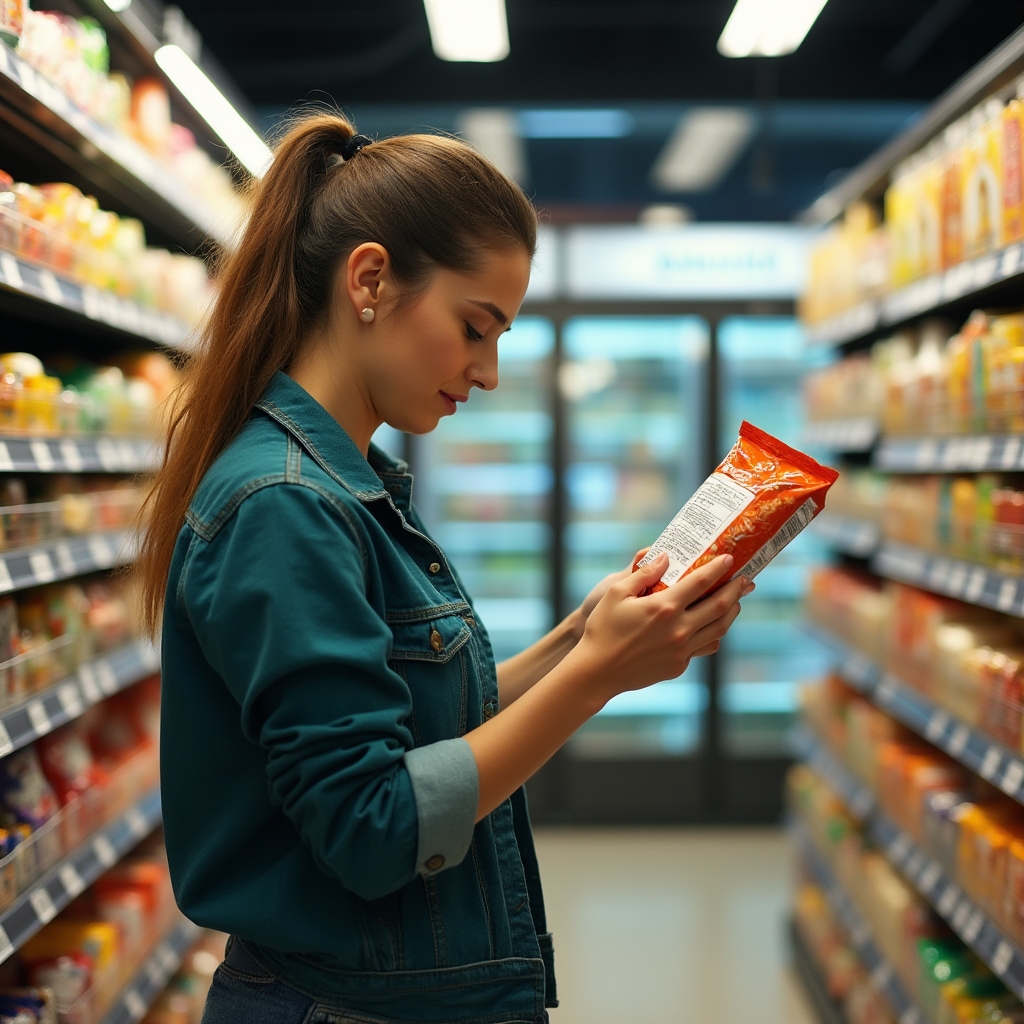
You pick up a product at Biedronka. The ingredients list runs for three lines. Half the words you don't recognise. There's a green Nutri-Score A on the front and "naturalny" printed in large type. Is this actually a good choice? Maybe. Maybe not. The label won't tell you either way unless you know what to look for.
That's what Coraho is for. We gather publicly available information about how Polish food labelling works, what the law requires, what it permits, and where the gaps are. No dietary advice. No product recommendations. Just the tools to read what's already in front of you.
Four Areas Worth Understanding
Each of these topics comes up constantly when people start paying attention to what they're buying. We go through them in plain language.
The Nutri-Score System
A to E, green to red. It's a French-origin scoring system that's voluntary in Poland — which is why you see it on some products and not others. We explain what the algorithm actually weighs, why a product can score well and still contain things you'd want to know about, and what "voluntary" means for Polish manufacturers.
Read moreE-Numbers Demystified
E-numbers have a reputation problem. Some are worth knowing about. Plenty are just vitamin C, beeswax, or turmeric. We walk through the EU approval process, what the different number ranges mean, and which ones appear most often in everyday Polish products. Knowing E330 is citric acid changes how you read a label.
Read moreWhat "Naturalny" Actually Means
In Polish food marketing, "naturalny" is used freely. There's no single legal definition that restricts its use the way "organic" (ekologiczny) is restricted. A product can be labelled naturalny while containing a long ingredients list. We look at how this term is regulated, where it isn't, and what questions to ask when you see it.
Read moreUnit Price Comparisons
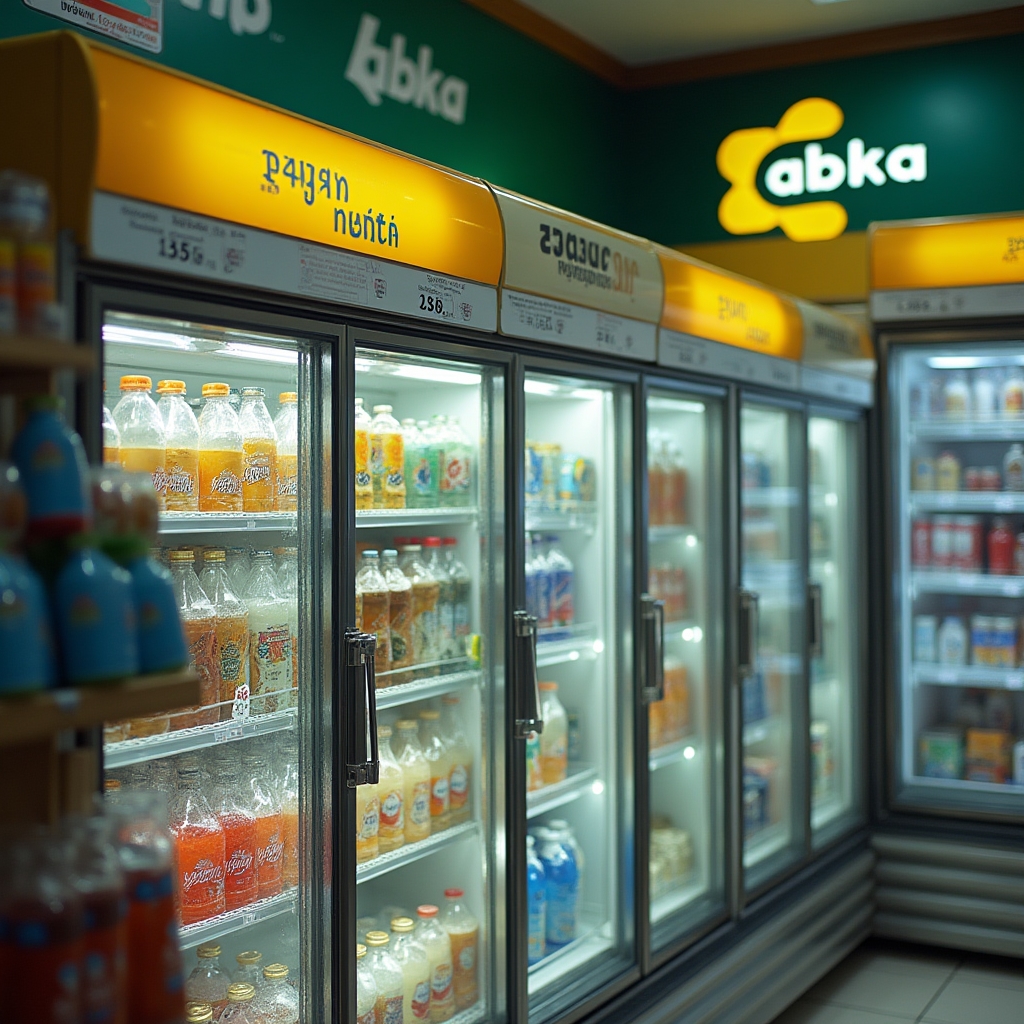
A 200g yogurt at Żabka for 3.49 zł versus 500g at Auchan for 5.99 zł. Which is cheaper per gram? EU law requires unit prices on shelf labels, but the display format varies between stores. We explain how to find and use unit prices, why convenience store pricing works the way it does, and how to make quick comparisons on the go.
Read more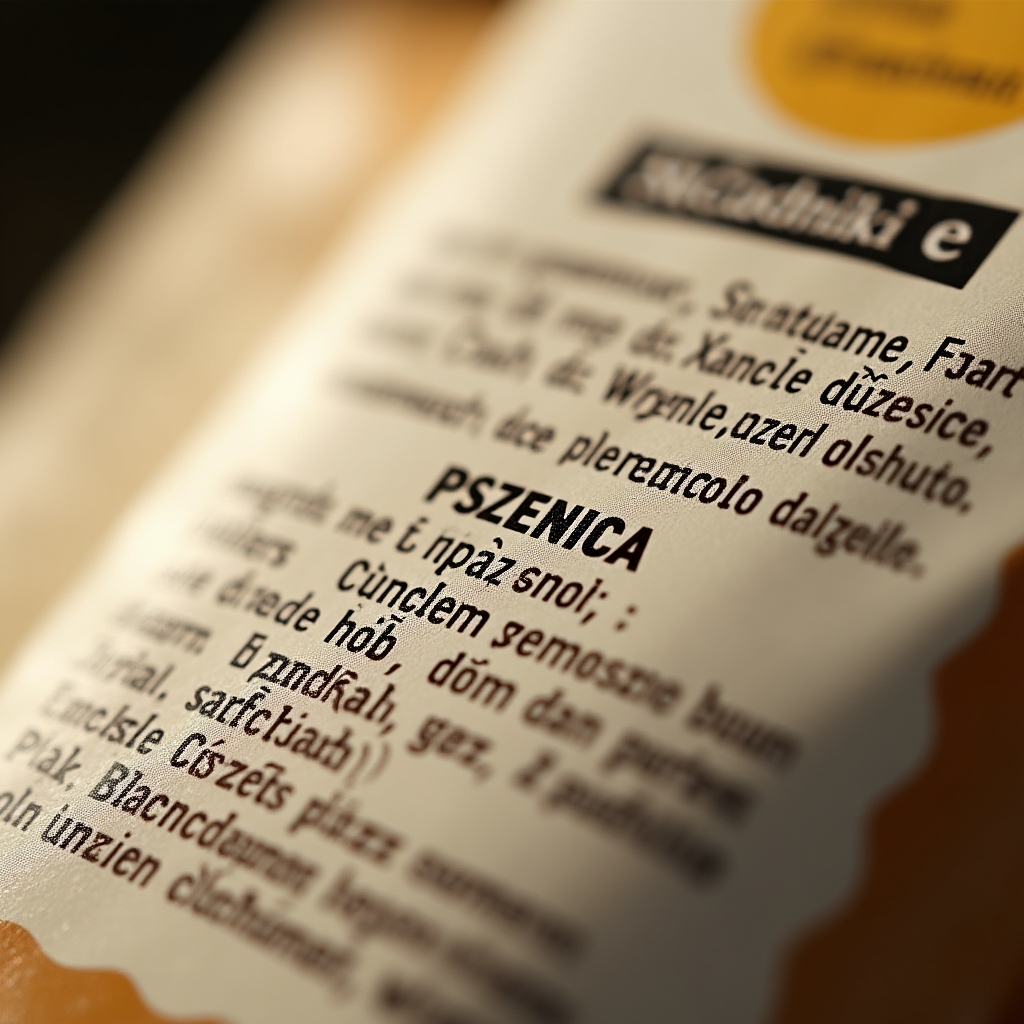
Składniki: where the real information lives
The ingredients list — "składniki" — is the most regulated part of any Polish food label. EU rules require ingredients to be listed in descending order by weight. That means the first ingredient is the most abundant. Simple in theory.
In practice, it gets more complex. Compound ingredients can be listed as a group. Allergens must be highlighted (usually bold or uppercase). Water added during processing counts. And some ingredients have names that look technical but are completely ordinary.
How we work with information
EU Regulation Based
Everything we explain references actual EU food labelling regulations — primarily Regulation (EU) No 1169/2011 on food information to consumers, as applied in Poland.
Public Sources Only
We draw from publicly available sources: EFSA opinions, IJHARS publications, GIS guidance, and official Polish consumer protection materials. No proprietary data.
No Dietary Advice
We explain what labels say. We don't tell you what to eat. The distinction matters — consumer education and nutritional guidance are different things that require different expertise.
Regularly Updated
Food labelling rules change. The Nutri-Score algorithm was updated in 2023. We keep our content current with regulatory developments that affect Polish consumers.
Bilingual Context
We write in English but always include the Polish terms you'll actually see on packaging. Understanding the vocabulary is half the battle when you're standing in the aisle.
Żabka, Auchan, Biedronka: same rules, different experience
Polish food labelling law applies uniformly regardless of where you shop. But the experience of reading a label at a Żabka convenience store at 10pm is quite different from doing it in an Auchan hypermarket on a Saturday afternoon.
Packaging sizes differ. Unit price displays vary in clarity. Promotional labels can obscure the mandatory information. Own-brand products sometimes carry less front-of-pack information than branded equivalents. We look at what's consistent across stores and where you need to look more carefully.
See a real label, step by step
Sometimes reading about labels isn't enough. Our video walkthroughs show actual Polish packaging being read in real time — pointing out exactly what each element means and where to find it.
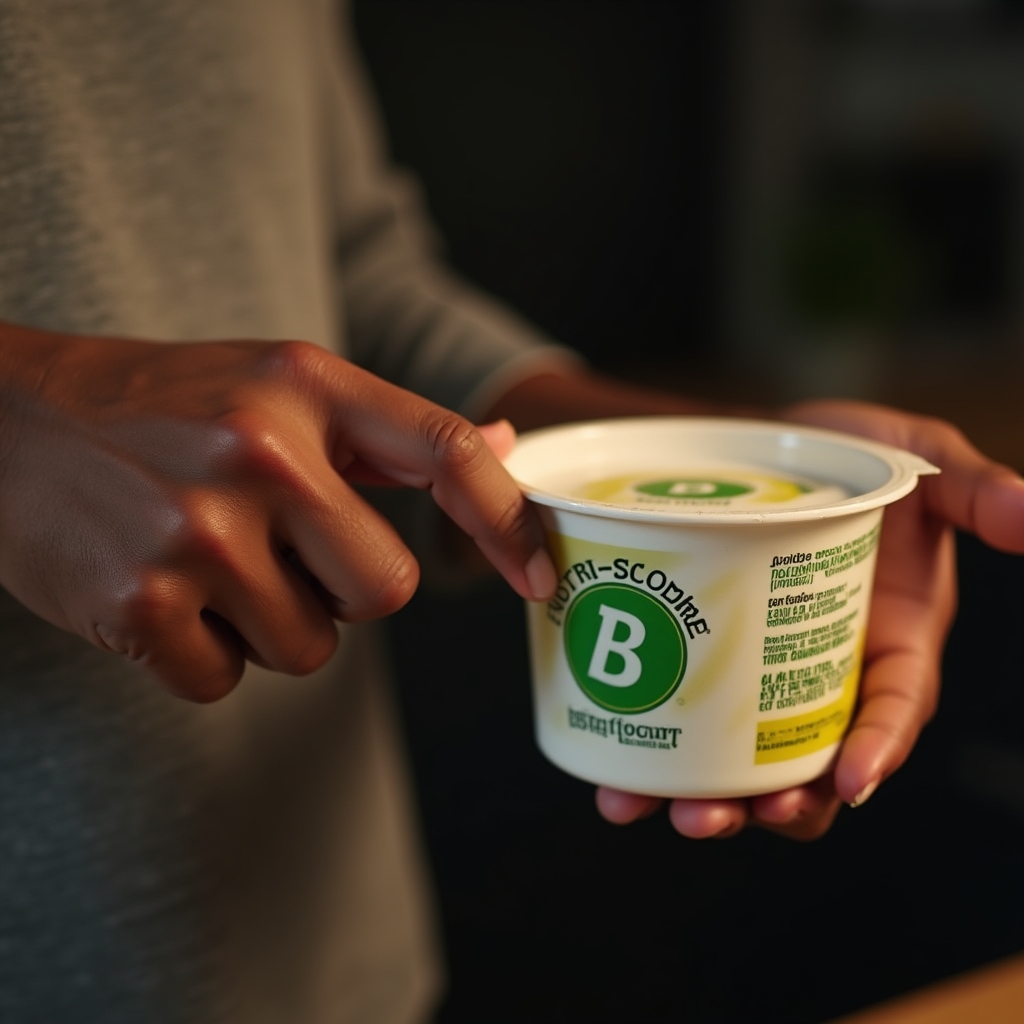
Reading a Nutri-Score on Polish packaging
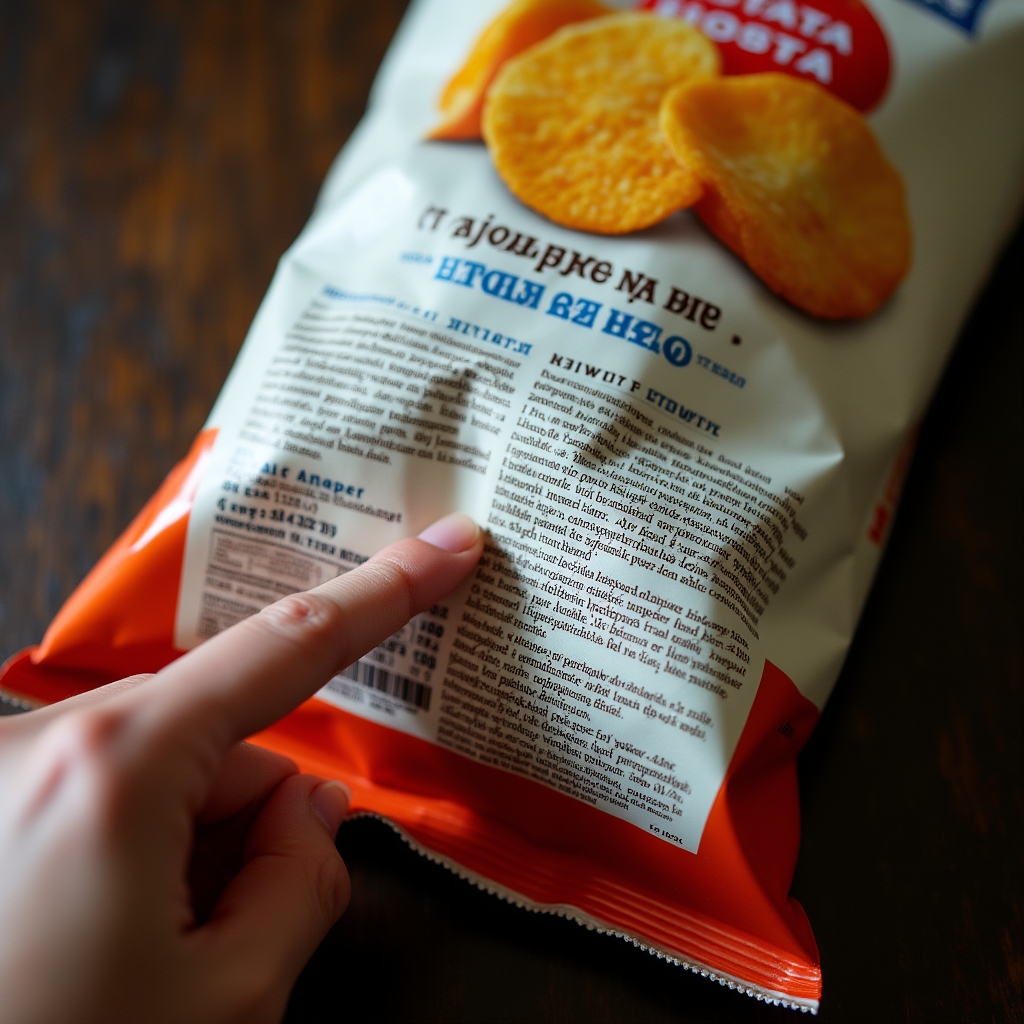
Finding and decoding E-numbers in the składniki list
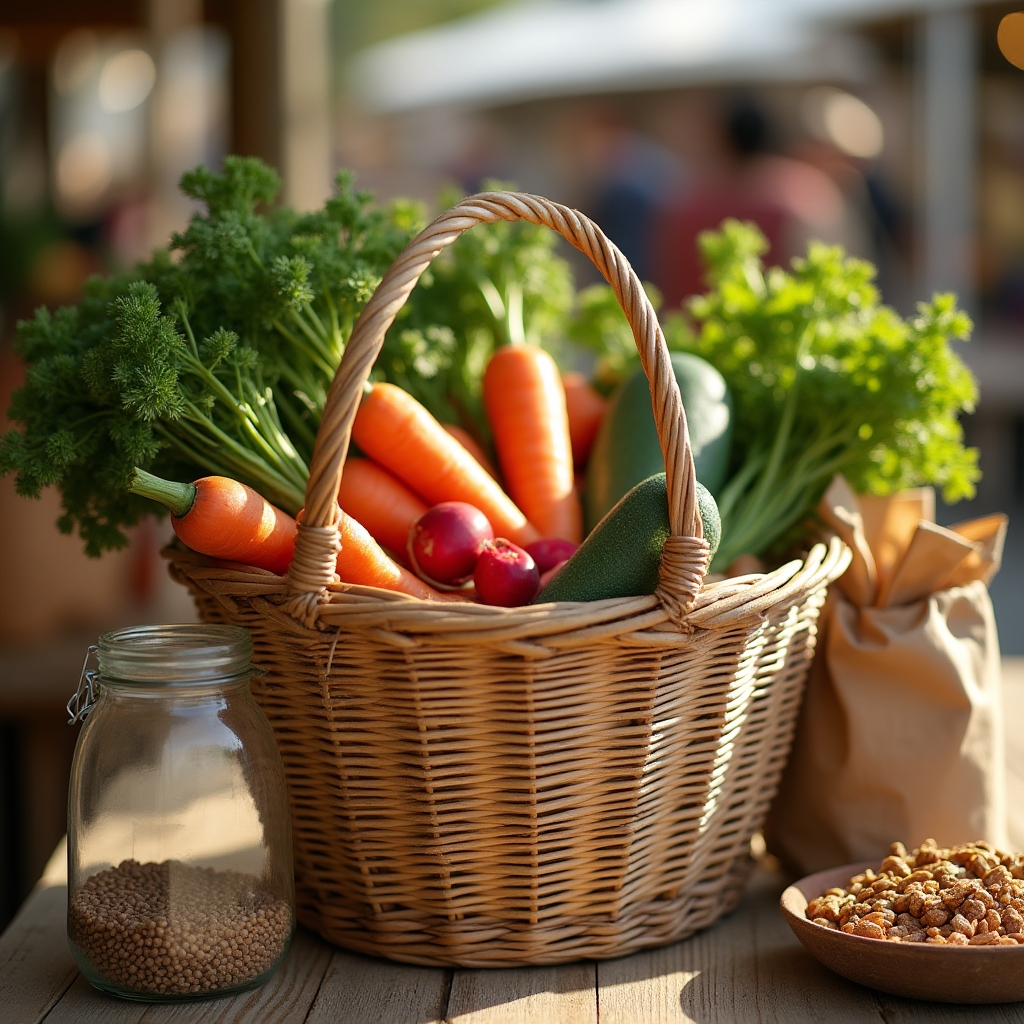
For Zero-Waste Beginners
If you're reducing packaging in your shopping, labels take on a different significance. You're often buying from bulk bins, market stalls, or unfamiliar brands. Sometimes there's no label at all. Sometimes there's only a handwritten one.
We've put together a dedicated section for people navigating zero-waste shopping in Poland — what labelling rules apply to loose goods, what questions to ask sellers, and how to find the information you're used to seeing on packaged products.
Go to the Zero-Waste sectionQuestions about a specific label?
We're not a helpline and we don't give individual advice. But if you have a question about how a labelling rule works, or you've spotted something on a label that seems unusual, we're happy to hear from you.